
1. What is the actual exposure?
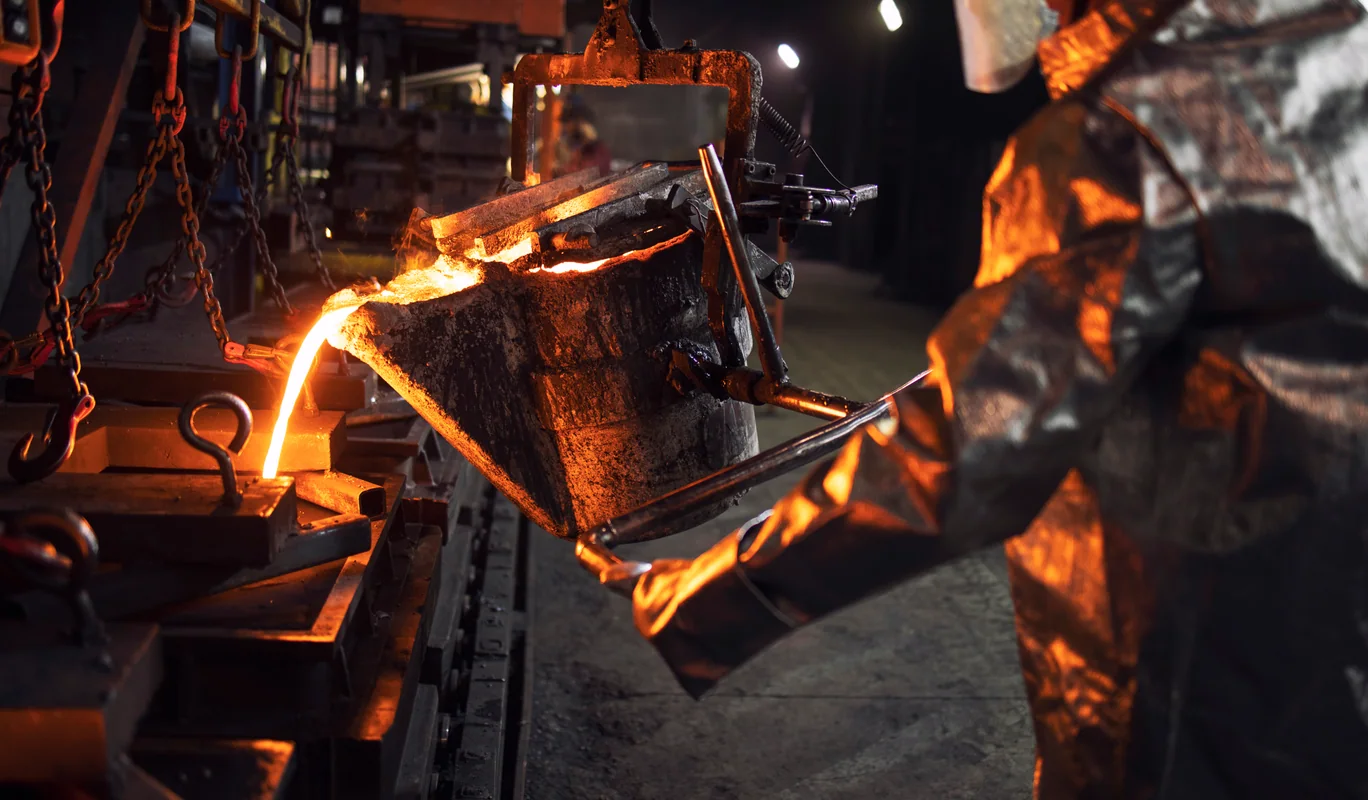
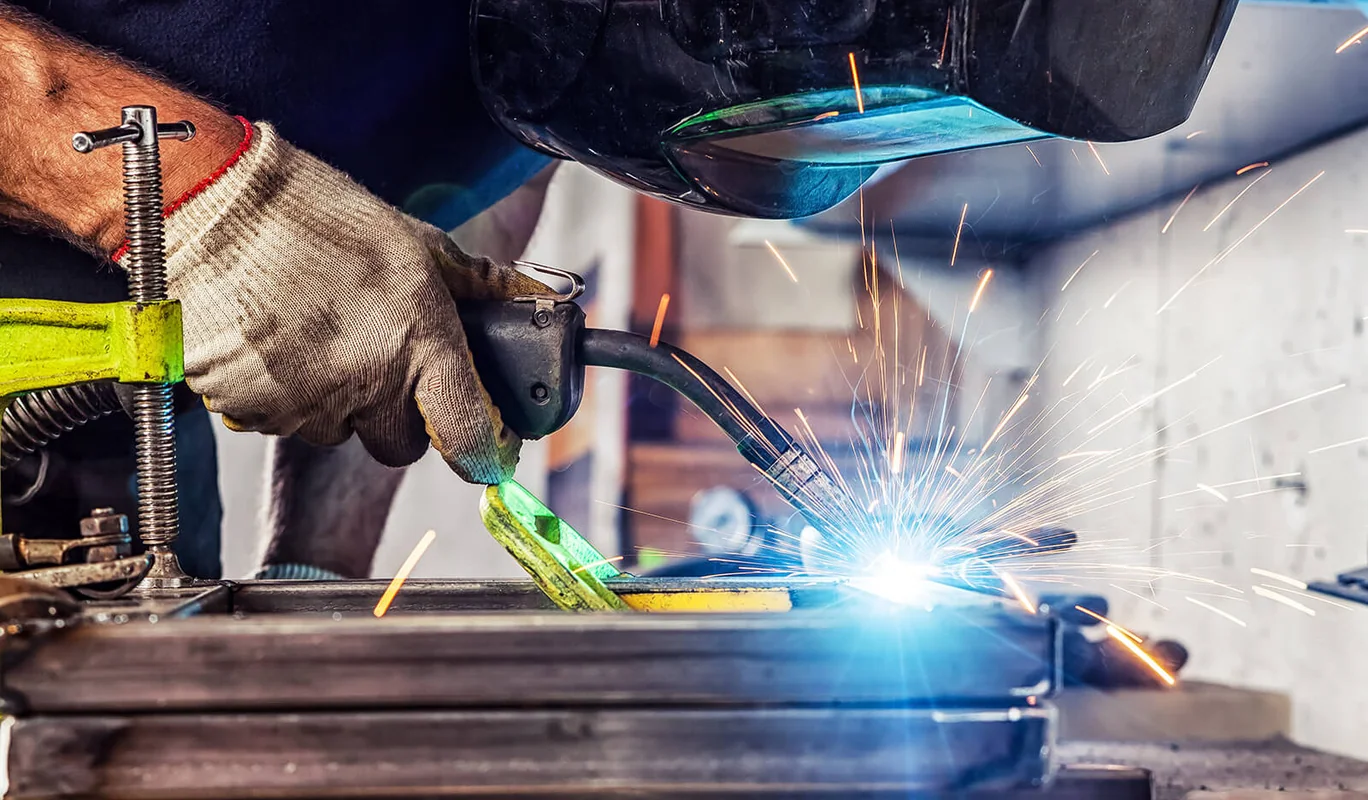
Start with a task-specific hazard assessment. A worker exposed to electric arc energy, a short-duration flash fire or molten metal needs a different protective system, even when several garments are described as flame resistant.
The assessment should identify the energy source, expected duration, body areas at risk, environmental conditions and any secondary hazards. Fabric selection can then support the protection level established by the employer and qualified safety professionals.
2. Which US standard applies?
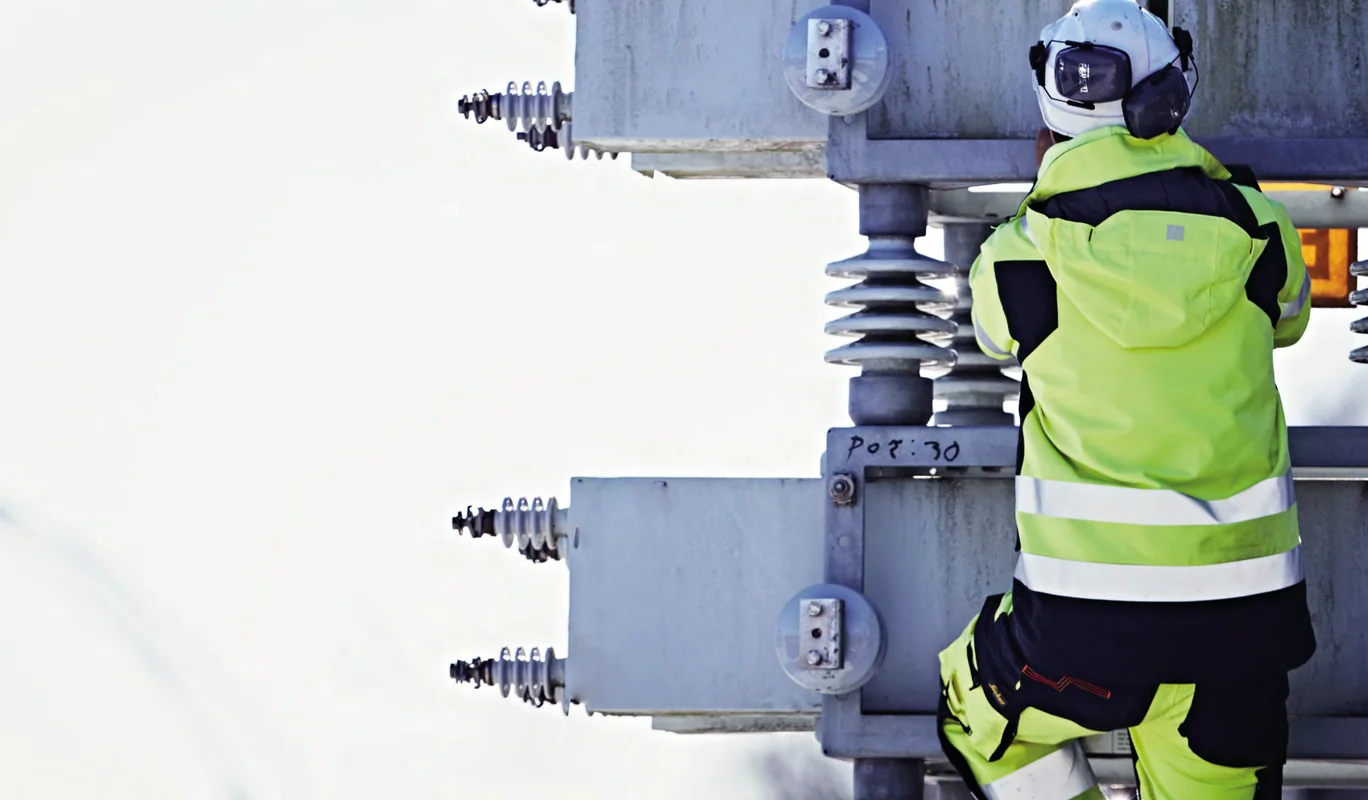
For electrical work, NFPA 70E provides the workplace safety framework, while ASTM F1506 establishes performance and labeling requirements for flame-resistant and arc-rated clothing. ASTM F1959 is the laboratory method used to determine the arc rating of materials.
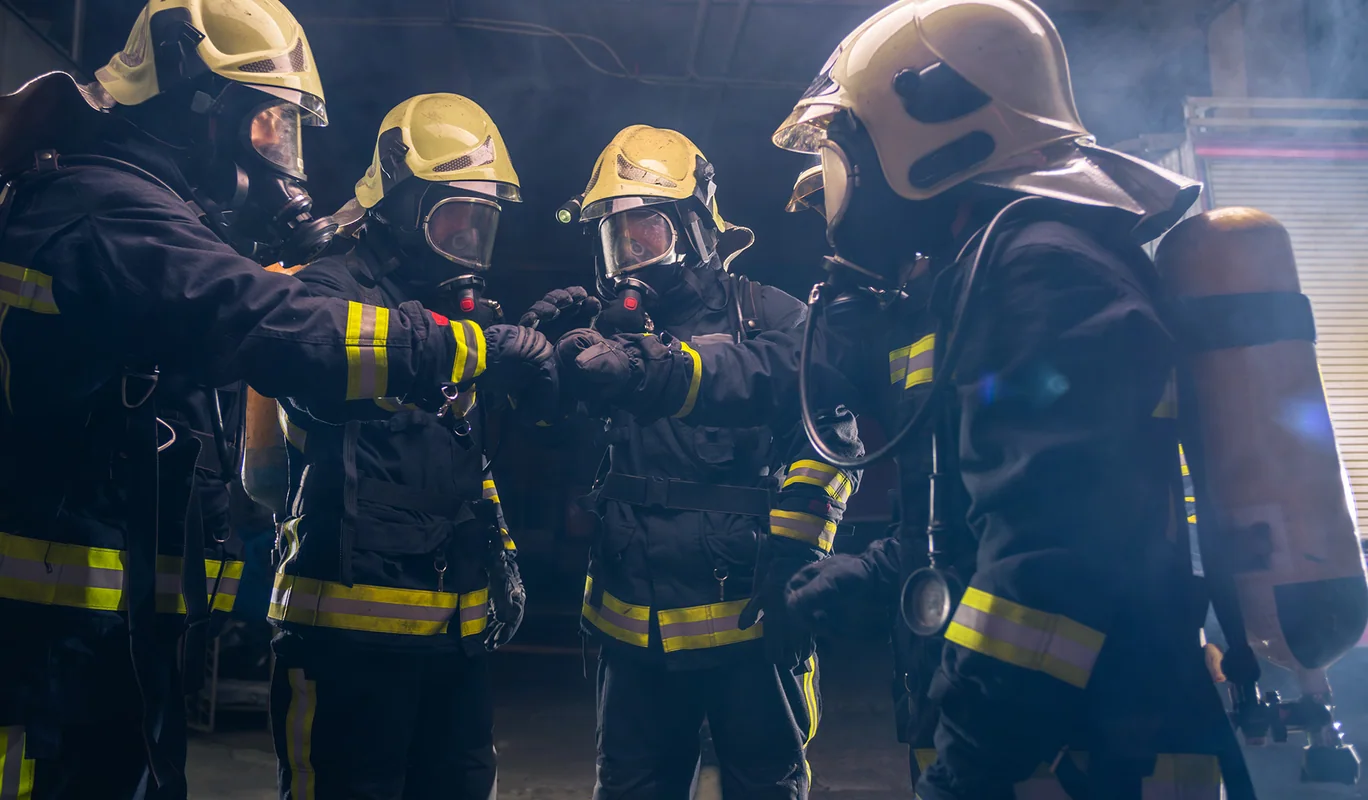
For industrial flash-fire exposure, NFPA 2112 addresses flame-resistant clothing, and NFPA 2113 addresses its selection, care, use and maintenance. Compliance with one hazard standard should never be assumed to cover a different hazard unless the complete product has the appropriate test data and labeling.
3. Is the rating appropriate for the assessed hazard?
Arc-rated clothing carries an arc rating expressed in cal/cm². That value must be considered against the incident energy established for the task or the applicable NFPA 70E PPE-category method. More weight or more layers do not automatically mean the system is correctly rated.
For flash fire, buyers should review the certification and test evidence for the exact fabric and garment construction being supplied. Results from a different weight, color, finish or garment design should not be treated as interchangeable without supporting documentation.
4. Will the complete garment system work in the real environment?
Protection depends on the full ensemble: outer fabric, base layers, closures, reflective trim, sewing thread, pockets, reinforcement and any weather barrier. Arc-rated rainwear, for example, has requirements that differ from ordinary woven arc-rated apparel.
Climate and workload also matter. Breathability, moisture management, stretch, garment mass and layering strategy affect whether workers can wear the system correctly throughout a shift. Comfort is therefore part of effective protection, not a separate purchasing issue.
5. Can performance be maintained over the garment life?
- Confirm the manufacturer’s laundering, repair and retirement instructions.
- Verify that replacement garments use the same approved materials and construction.
- Train wearers to close, layer and inspect the garment as intended.
- Run a controlled wear trial before a large program rollout.
- Reassess the selection when the task, process, equipment or exposure changes.
Sources and technical references
This article is educational and does not replace a workplace hazard assessment or the complete requirements of the applicable standard.