





What ASTM F1930 evaluates
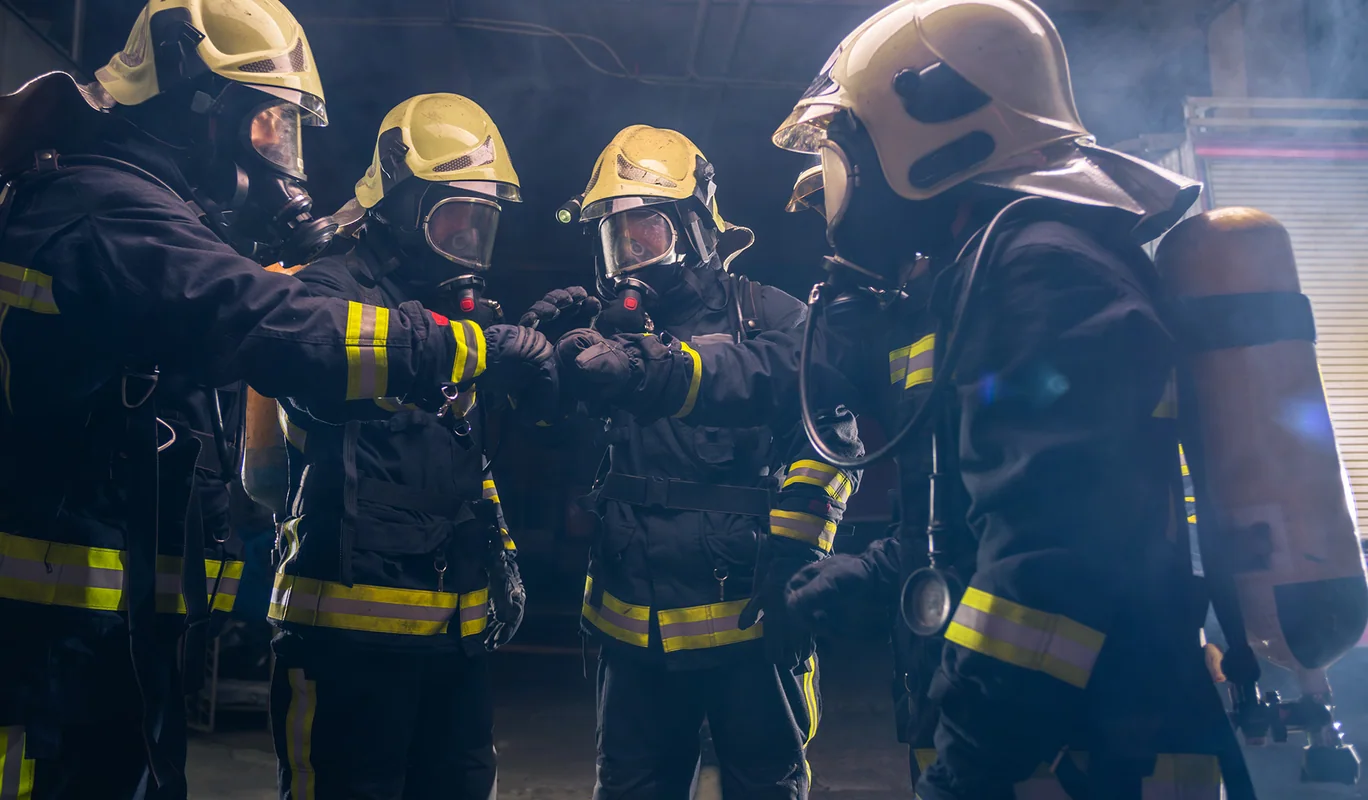
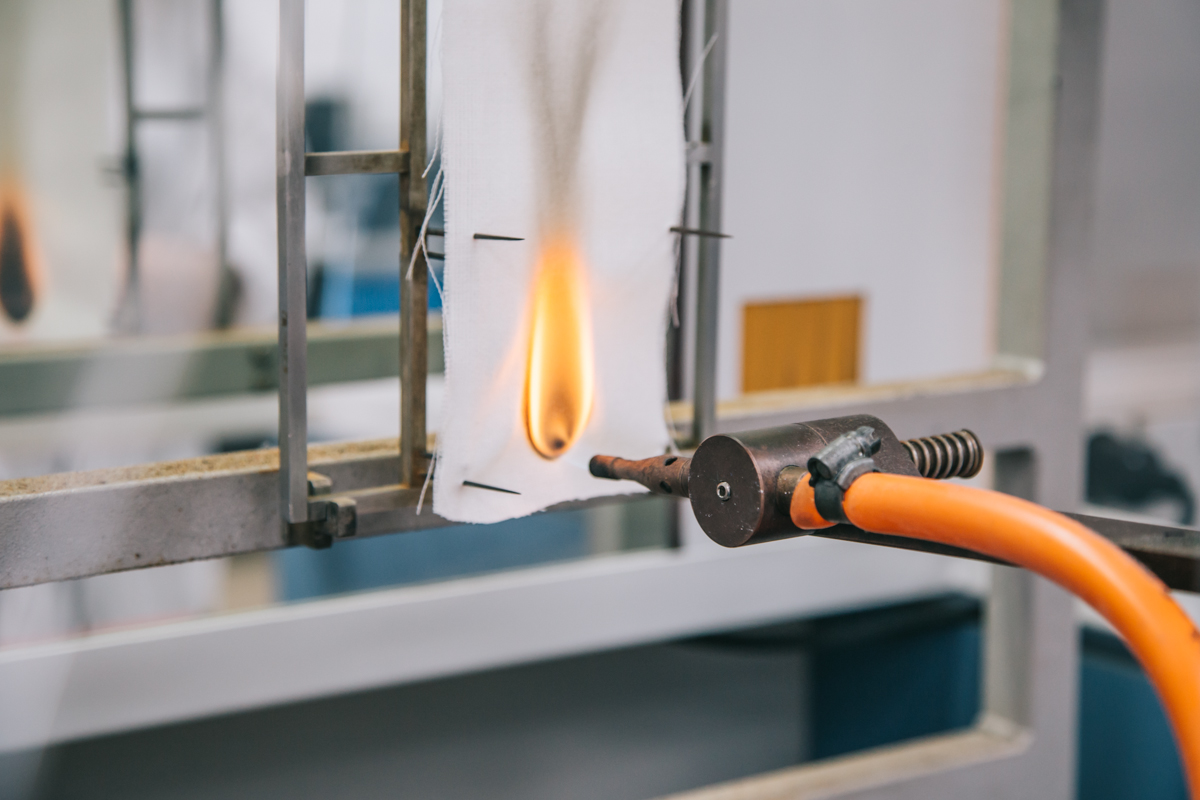
ASTM F1930-23 exposes a protective garment or clothing ensemble on a stationary instrumented manikin to a controlled laboratory fire simulation. Sensors are used to calculate predicted skin-burn injury for the specific configuration, exposure and test conditions.
Unlike a small fabric-swatch test, the manikin can reveal the influence of garment construction. Closures, seams, pockets, fit, air gaps and multiple layers can all affect heat transfer through the ensemble.
What the result does not establish
- It is not an electric arc-flash test and should not be used as an arc rating.
- The ASTM method does not by itself establish a material performance pass/fail requirement.
- A result applies to the garment and exposure configuration tested; it should not be transferred automatically to another design or fabric system.
- The method does not reproduce every movement, body position or workplace fire scenario.
Questions to ask when comparing reports
Confirm the exposure duration, heat flux, garment size, fabric condition, pretreatment, base layers and body area included in the reported result. Two percentages should not be compared unless the underlying test configurations are equivalent.
Also review the burn-injury distribution, physical garment observations and any openings or failure points. A single total percentage can hide important differences between two garment designs.
How it fits into an NFPA 2112 program
ASTM F1930 is one test method used within a broader protective-clothing evaluation. Buyers should still verify the applicable NFPA 2112 certification, garment labeling, material traceability and the manufacturer’s instructions for care and maintenance.
The test is most useful when it supports a documented hazard assessment and a comparison of complete garment systems intended for the same use—not when it is treated as a stand-alone safety guarantee.
Sources and technical references
This article is educational and does not replace a workplace hazard assessment or the complete requirements of the applicable standard.