
How the construction works
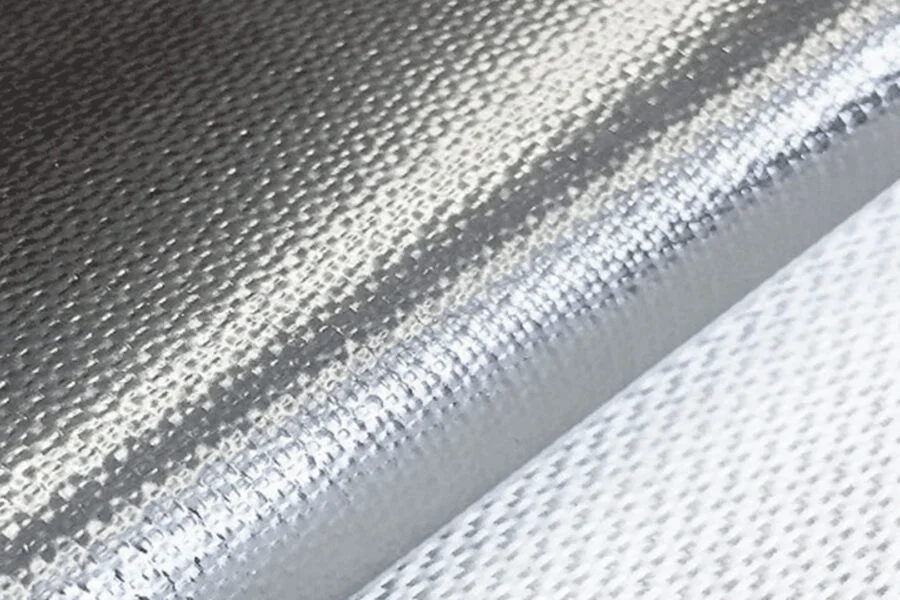
An aluminized textile combines a reflective metallic surface with a heat-resistant base fabric. The aluminum layer reflects a portion of incident radiant energy, while the substrate contributes strength, flexibility, flame resistance and thermal insulation.
The bond between the surface and substrate is critical. Cracking, abrasion, contamination or delamination can reduce reflectivity and change how the material behaves in service.
PPE fabrics and industrial textiles serve different purposes
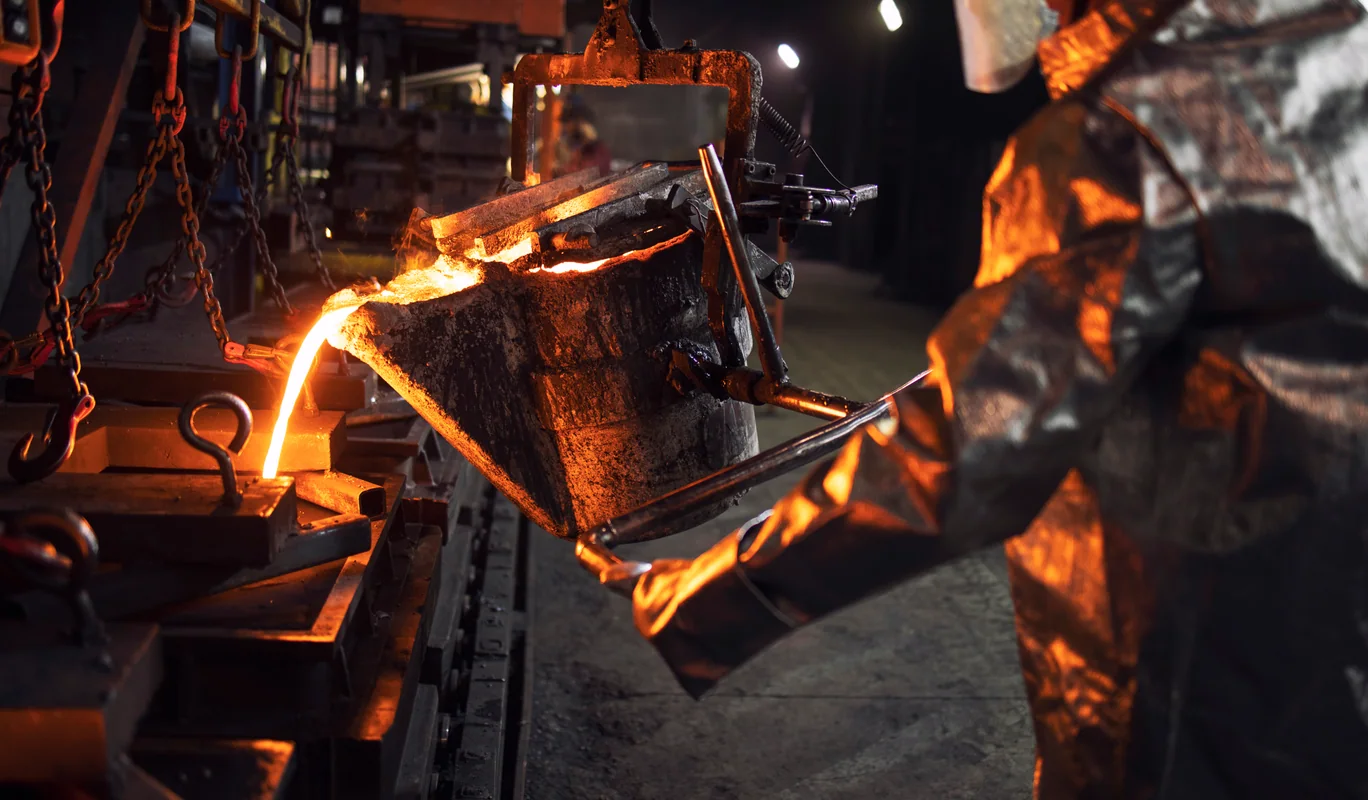
Aluminized PPE materials may be used in proximity garments and components intended for high radiant heat or molten-metal environments. Their performance must be considered as part of the finished protective garment.
Industrial aluminized textiles based on fiberglass, silica or aramid substrates may instead be used for curtains, shields, cable protection or insulation. Performance in an industrial barrier does not automatically qualify the same construction for wearable PPE.
Read the test report within its limits
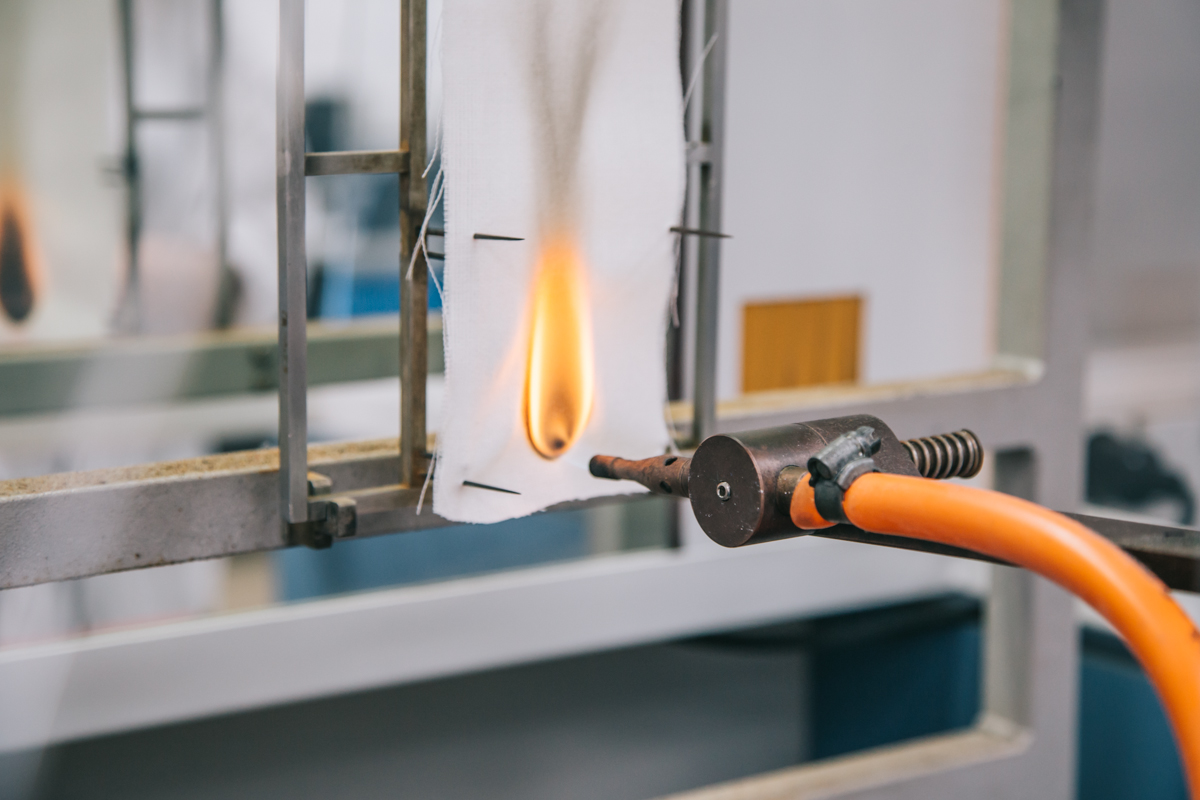
ASTM F1939 evaluates the radiant-heat resistance of flame-resistant clothing materials under controlled continuous exposure. It is useful for comparing material systems, but the method does not by itself predict skin-burn injury or cover every workplace condition.
Where molten-substance contact is credible, ASTM F955 and the relevant performance specification should also be considered. Radiant-heat performance should never be used as a substitute for molten-contact evidence.
Selection questions
- Is the dominant exposure radiant heat, molten contact, flame, hot surfaces or a combination?
- What radiant-heat level and duration represent the task?
- Does the material need to flex repeatedly or remain installed as a barrier?
- Will abrasion, oil, dust or cleaning affect the reflective surface?
- Which body areas and garment components require aluminized protection?
- What evidence applies to the exact substrate and aluminum construction being offered?
Inspection and maintenance are part of performance
Aluminized garments should be inspected for loss of reflectivity, tears, punctures, stiffening and separation of the metallic layer. Cleaning must follow the manufacturer’s instructions because aggressive methods can damage the surface or bond.
A practical program defines who inspects the equipment, what damage requires removal from service and how replacements remain traceable to the approved material construction.
Sources and technical references
This article is educational and does not replace a workplace hazard assessment or the complete requirements of the applicable standard.