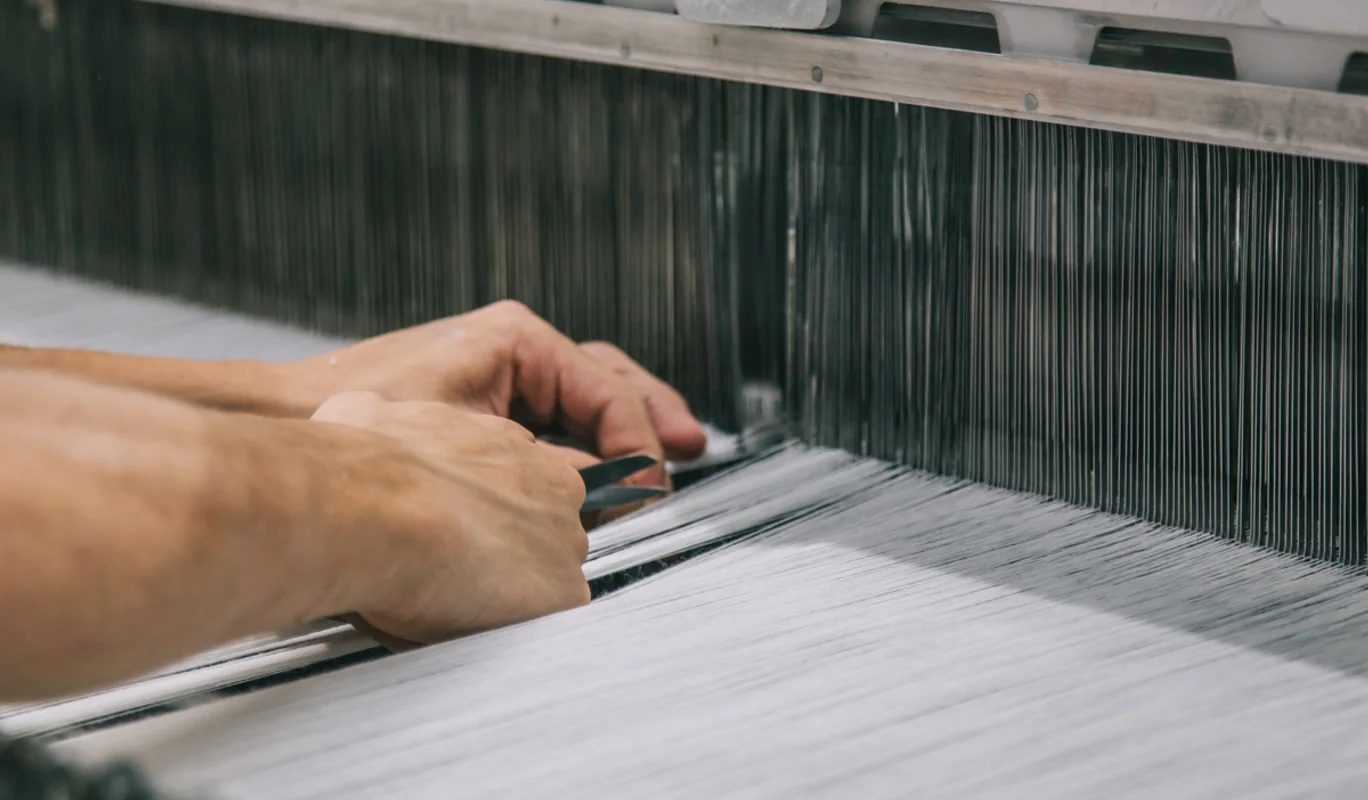
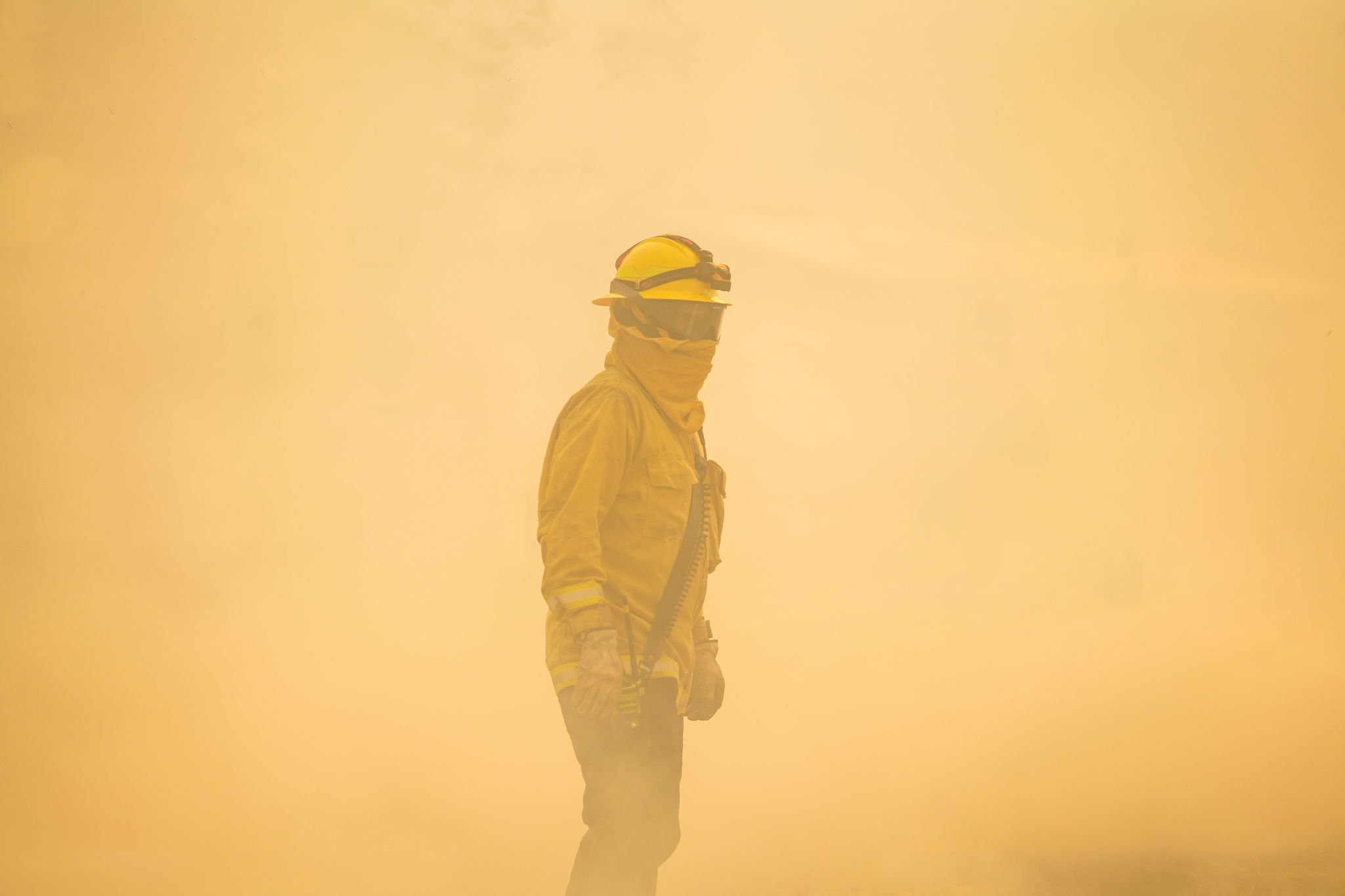
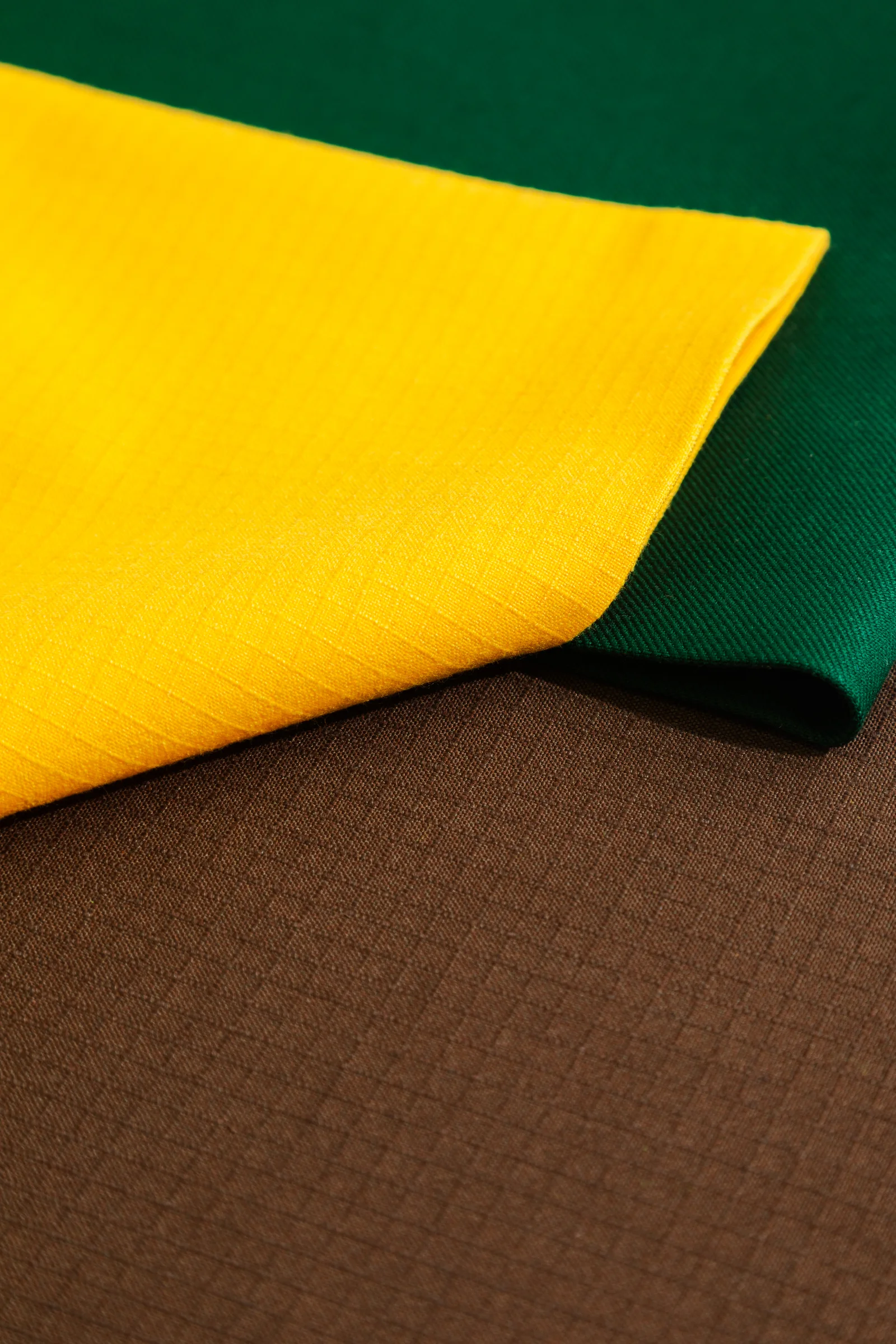
Protective fabrics engineered to provide dependable flame resistance, thermal protection, and comfort in extreme outdoor firefighting environments.
Risks and standards for protective fabrics in wildland firefighting
Flame-resistant fabrics for wildland firefighters must deliver high levels of protection because these professionals work in unpredictable outdoor conditions where radiant heat, flame exposure, and physical stress pose serious risks.
Specialized fabrics need to balance flame resistance, thermal performance and mechanical durability with comfort and mobility during long operations. NFPA 1950 addresses protective clothing and equipment for wildland and urban-interface firefighting. Earlier certifications may cite NFPA 1977; check the referenced edition and the specific garment configuration.
Fire proximity
Wildfires expose crews to rapidly changing fire conditions, intense radiant heat, direct flame, and ember showers across rugged terrain.
Wildland protective clothing must be lightweight, flame-resistant, breathable, and durable enough to reduce burn injuries while preserving comfort and mobility during long operations.