
Begin with the electrical safety program
OSHA identifies arc flash as a recognized electrical hazard and points employers to NFPA 70E as an important workplace-safety resource. NFPA 70E addresses safe work practices, risk assessment and the selection of protection for employees exposed to electrical energy.
The employer must determine the hazard for the specific equipment and task. A fabric supplier can explain material performance, but cannot replace the facility’s engineering assessment or define the required PPE for an unknown exposure.
Understand the role of each standard
- NFPA 70E provides the electrical-safety framework and methods used to establish appropriate protection.
- ASTM F1506-25 establishes performance, construction and labeling requirements for FR and arc-rated protective clothing.
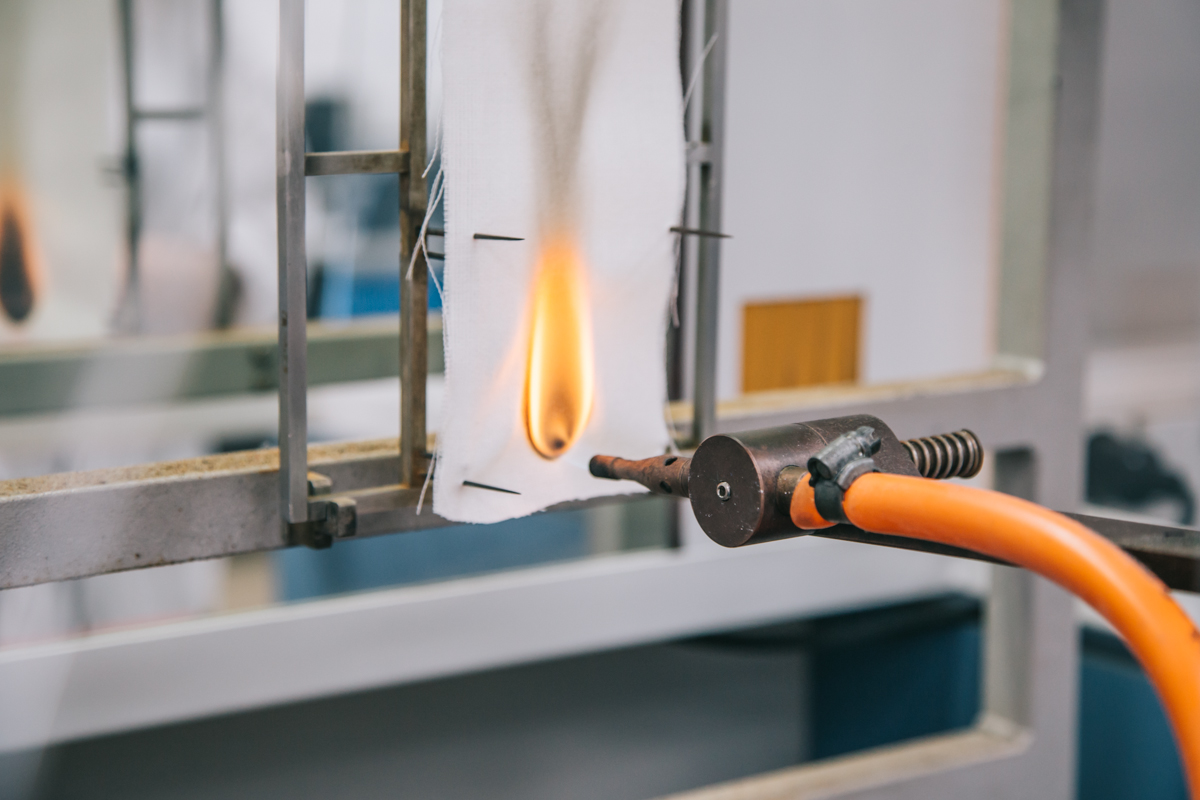
- ASTM F1959/F1959M is the laboratory method used to determine the arc rating of a material or material system.
- ASTM F1891 applies to flame-resistant and arc-rated rainwear, which is not covered as ordinary woven apparel under ASTM F1506.
Arc rating is a threshold, not a comfort specification
The required arc rating comes from the selected NFPA 70E method and the assessed exposure. Once that threshold is clear, buyers can compare fabric systems that meet it while also considering weight, durability, stretch, moisture transport and the garment’s intended service life.
Avoid selecting solely by the highest available rating. Excessive mass or an unsuitable layering system can create heat stress and make correct daily use more difficult. The objective is adequate rated protection in a wearable system matched to the work.
Treat every layer as part of the system
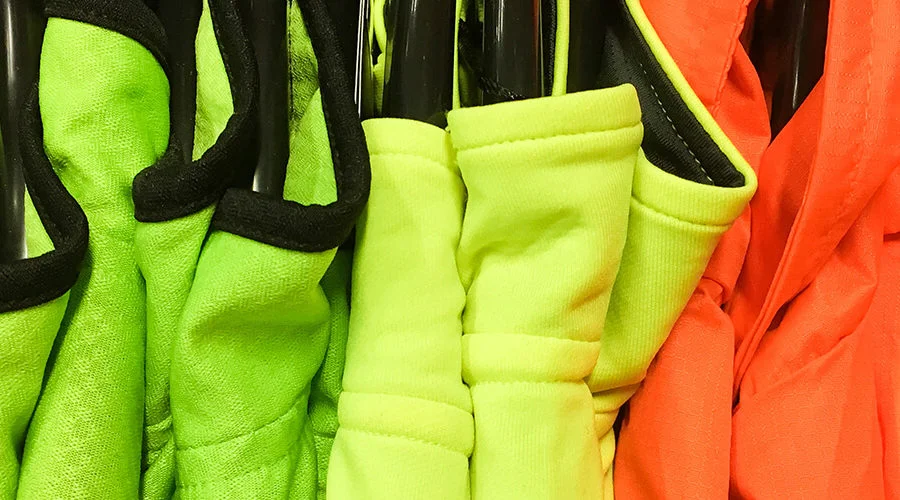
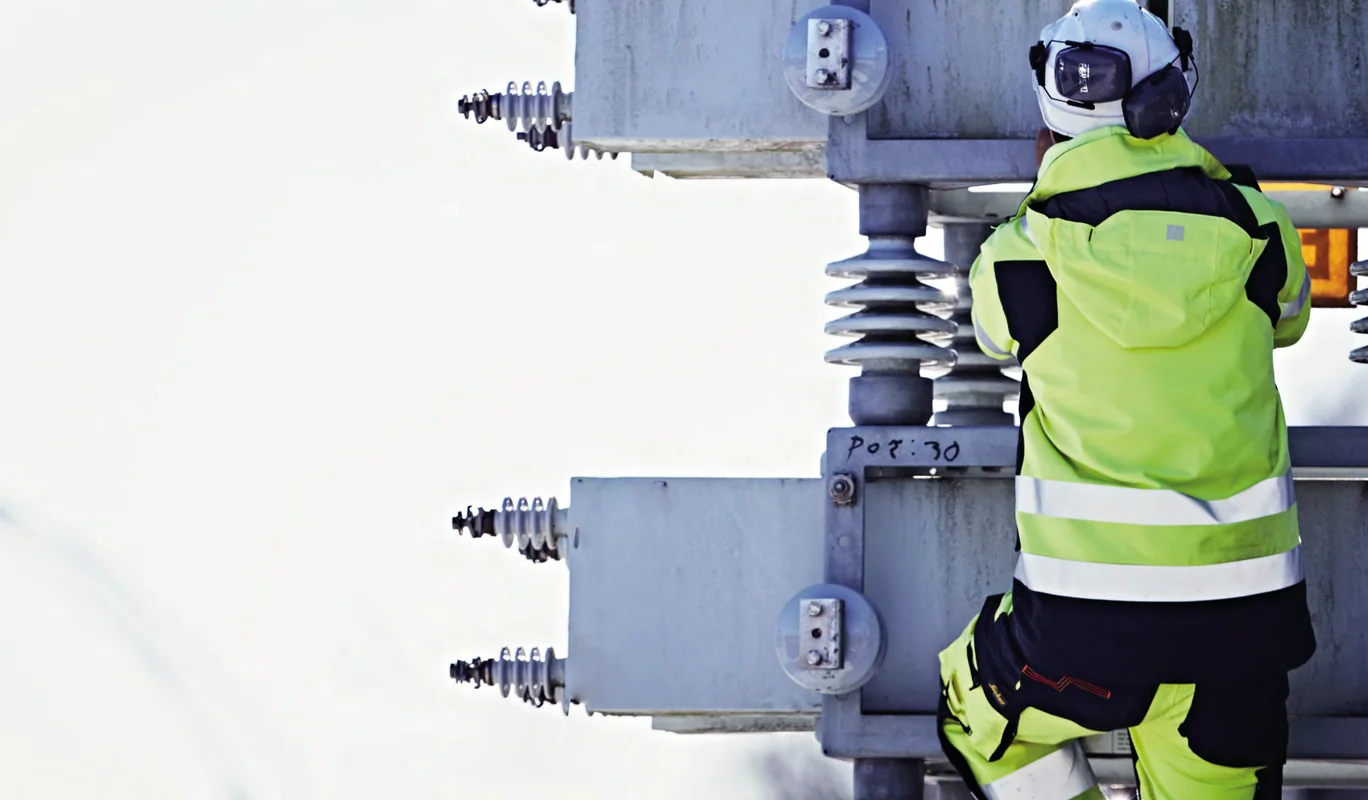
Base layers, outerwear, rainwear, high-visibility components and cold-weather layers must be compatible with the assessed hazard. OSHA warns against meltable or flammable underlayers in arc-flash exposures because they can worsen injury even beneath an arc-rated outer garment.
Garments also have to be worn as designed: sleeves down, closures secured and damaged items removed from service. Inspection, laundering and repair practices should be part of the procurement decision from the beginning.
Procurement questions for a utility program
- What incident-energy value or NFPA 70E PPE category applies to the task?
- Is the arc rating documented for the exact fabric or layered system being offered?
- Does the garment require rain, cold, visibility or multi-hazard performance?
- How does performance change after laundering and expected wear?
- Can workers complete a wear trial before full rollout?
Sources and technical references
This article is educational and does not replace a workplace hazard assessment or the complete requirements of the applicable standard.