

Start with the plant, not the metal name alone
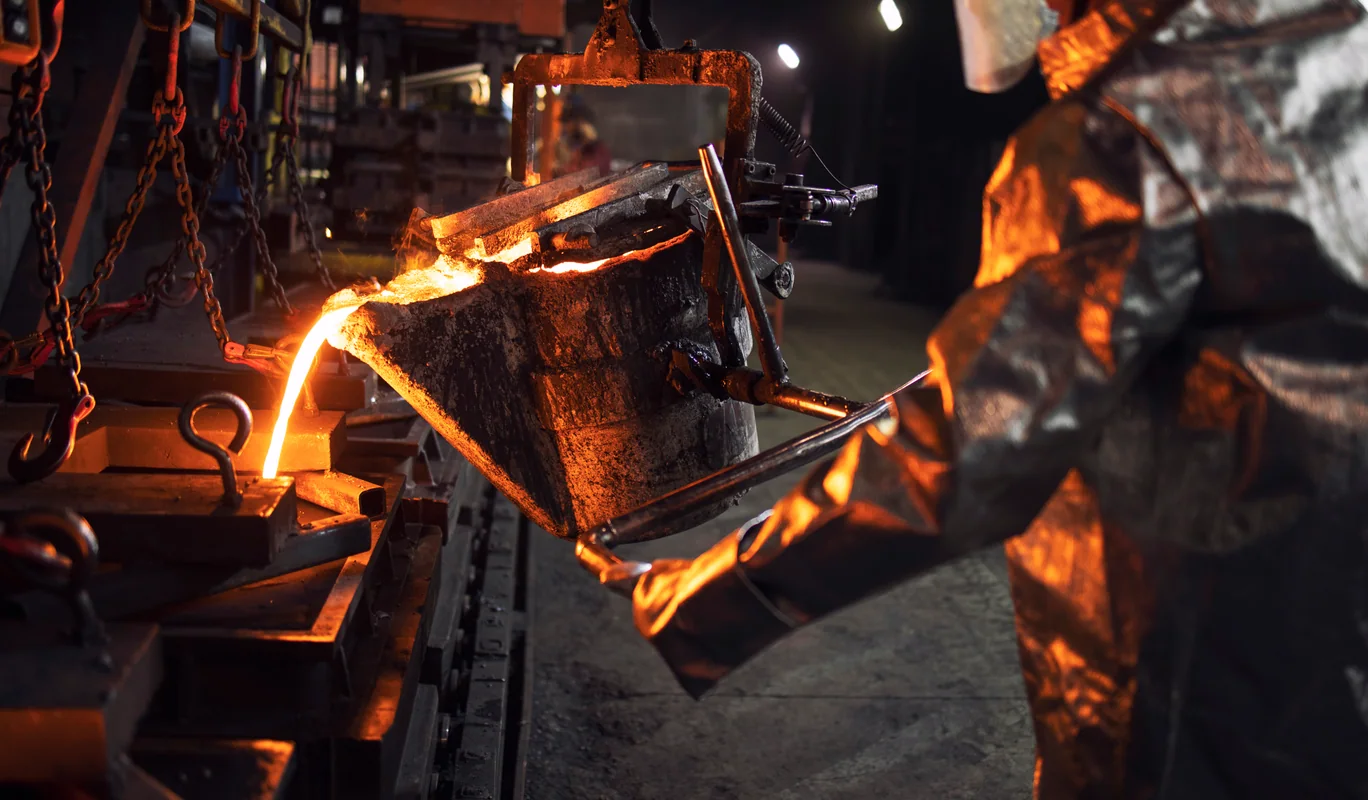
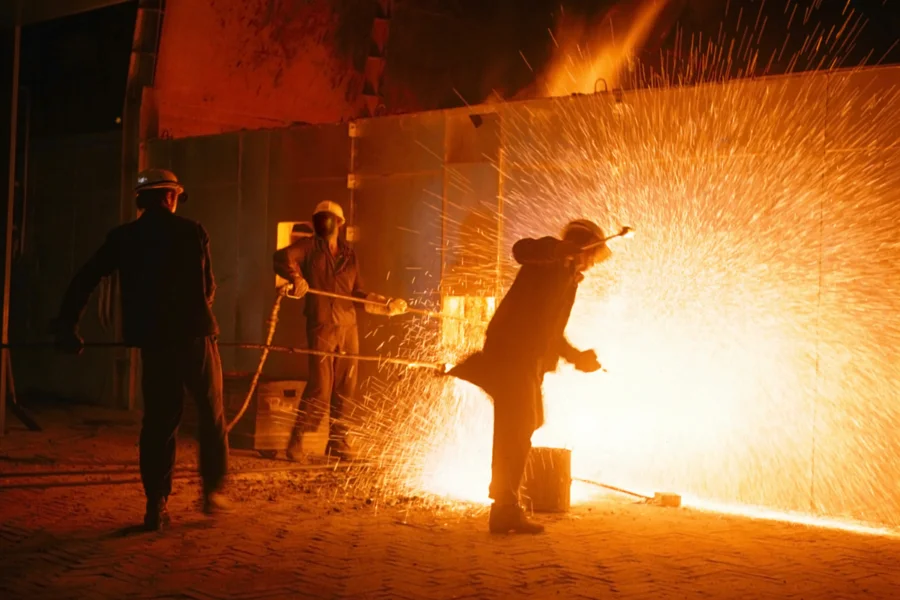
Two facilities processing the same nominal metal can present different exposures. Pouring height, melt temperature, splash mass, work distance, furnace design, maintenance tasks and emergency access all affect the clothing decision.
The assessment should also identify whether the garment is intended as primary protection for likely contact or secondary protection for incidental exposure. That distinction changes both material and garment-design requirements.
Use test data that represents the exposure
ASTM F955 evaluates heat transfer through protective-clothing materials during a controlled molten-substance pour. The method has been validated with aluminum, brass and iron and can be adapted for other substances.
ASTM F1002 establishes performance and design criteria for primary and secondary protective clothing used around specific molten substances. It also cautions that testing with pure metals may not predict behavior with every alloy. The person specifying the clothing must determine whether the evidence represents the plant’s actual material.
Fabric behavior is more than insulation
A foundry fabric must be assessed for heat transfer, ignition, shrinkage, break-open and whether molten material sheds from or adheres to the surface. A material that looks heavy or heat resistant can still perform poorly with a particular molten substance.
Radiant heat, flame, hot surfaces and electric arc may also be present. Each additional hazard requires its own evidence rather than an assumption based on molten-metal performance.
Garment design can support or undermine the fabric
- Avoid features that can trap molten material in pockets, cuffs or folds.
- Select closures and seams for the intended exposure and emergency removal strategy.
- Check overlap and coverage during bending, climbing and maintenance tasks.
- Treat aprons, spats, hoods and aluminized proximity garments as parts of one system.
- Confirm compatibility with respiratory, eye, hand and foot protection.
Validate with a controlled plant trial
Laboratory reports narrow the options; they do not reproduce every plant condition. After the safety team identifies suitable candidates, a controlled field and wear trial can evaluate shedding, garment integrity, mobility, heat stress and maintenance under representative tasks.
Document the selected construction so that future orders retain the same fabric, finish and garment details. A successful trial loses value if uncontrolled substitutions enter the supply chain.
Sources and technical references
This article is educational and does not replace a workplace hazard assessment or the complete requirements of the applicable standard.