



Keep flash fire separate from other thermal hazards
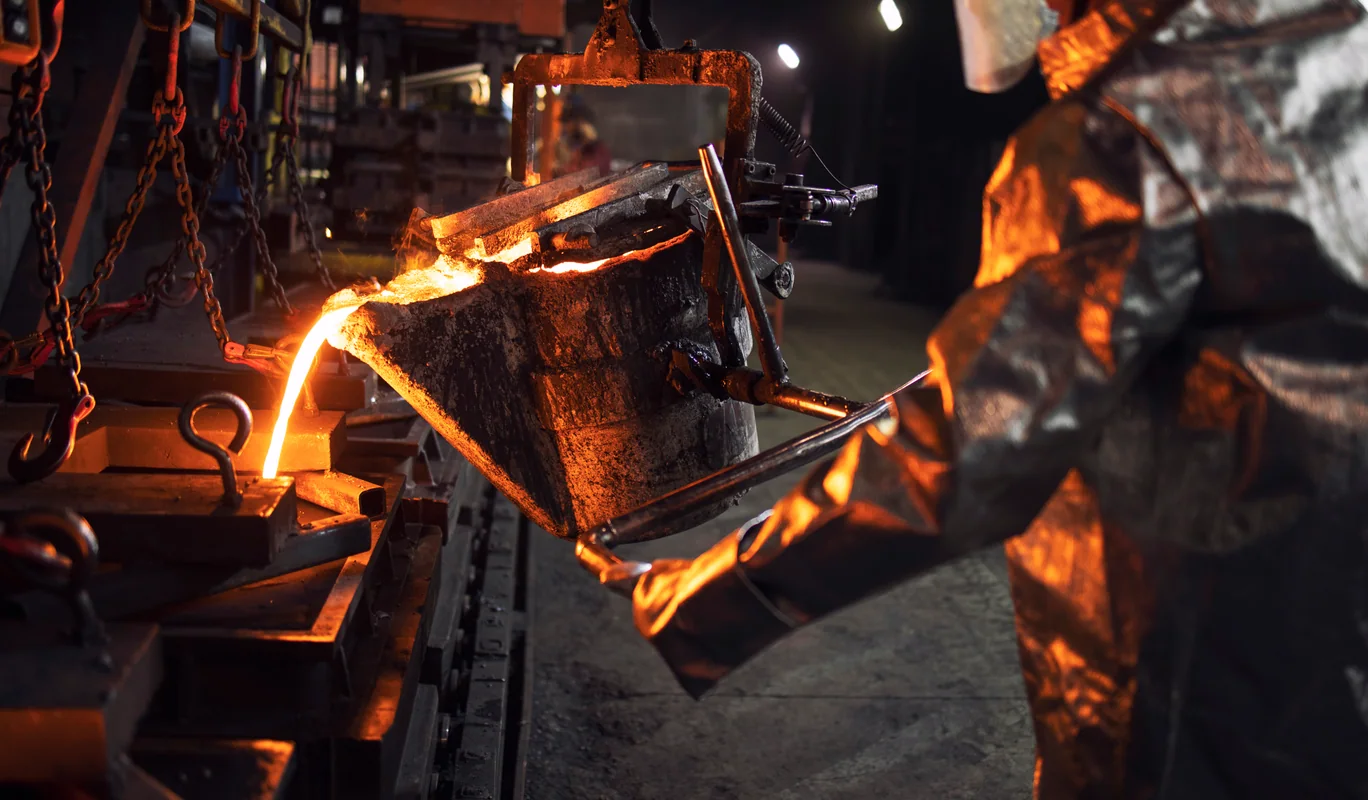
NFPA 2112 addresses flame-resistant clothing for industrial personnel exposed to short-duration thermal events from fire. It is not an arc-flash rating and does not replace protection selected for chemical splash, molten metal or structural firefighting.
A facility hazard assessment should establish where flash-fire exposure is credible, which employees and tasks are affected, and whether additional hazards must be covered by the same garment system.
Verify the exact product being purchased
- Confirm certification and labeling for the finished garment, not only a generic fabric-family statement.
- Match the certificate, model, fabric construction and garment label to the supplied product.
- Review whether optional trim, reinforcement, closures or visibility components change the certified design.
- Request current documentation from the responsible manufacturer or certification body.
- Maintain traceability when colors, weights, suppliers or garment factories change.
Use NFPA 2113 for the life of the clothing program
NFPA 2113 addresses selection, care, use and maintenance. Those decisions influence whether a compliant garment continues to perform as intended after repeated wear, contamination, laundering and repair.
Procurement specifications should include cleaning instructions, inspection criteria, repair limitations and retirement rules. Workers and laundry providers need the same information so that the program remains consistent after rollout.
Balance thermal protection with heat-stress management
Oil-and-gas work can combine high ambient temperatures, physical exertion and long shifts. Fabric weight alone does not describe comfort; air permeability, moisture transport, garment fit and the complete layering system also matter.
A controlled wear trial allows the safety team to evaluate mobility, drying behavior, pocket placement and worker acceptance without changing the required protection level.
A practical final review
- Hazard assessment and intended tasks are documented.
- The exact garment and its components are certified and traceable.
- Sizing, closures and layering support correct wear.
- Cleaning, inspection, repair and retirement instructions are established.
- The workforce has tested the garment under representative conditions.
Sources and technical references
This article is educational and does not replace a workplace hazard assessment or the complete requirements of the applicable standard.