

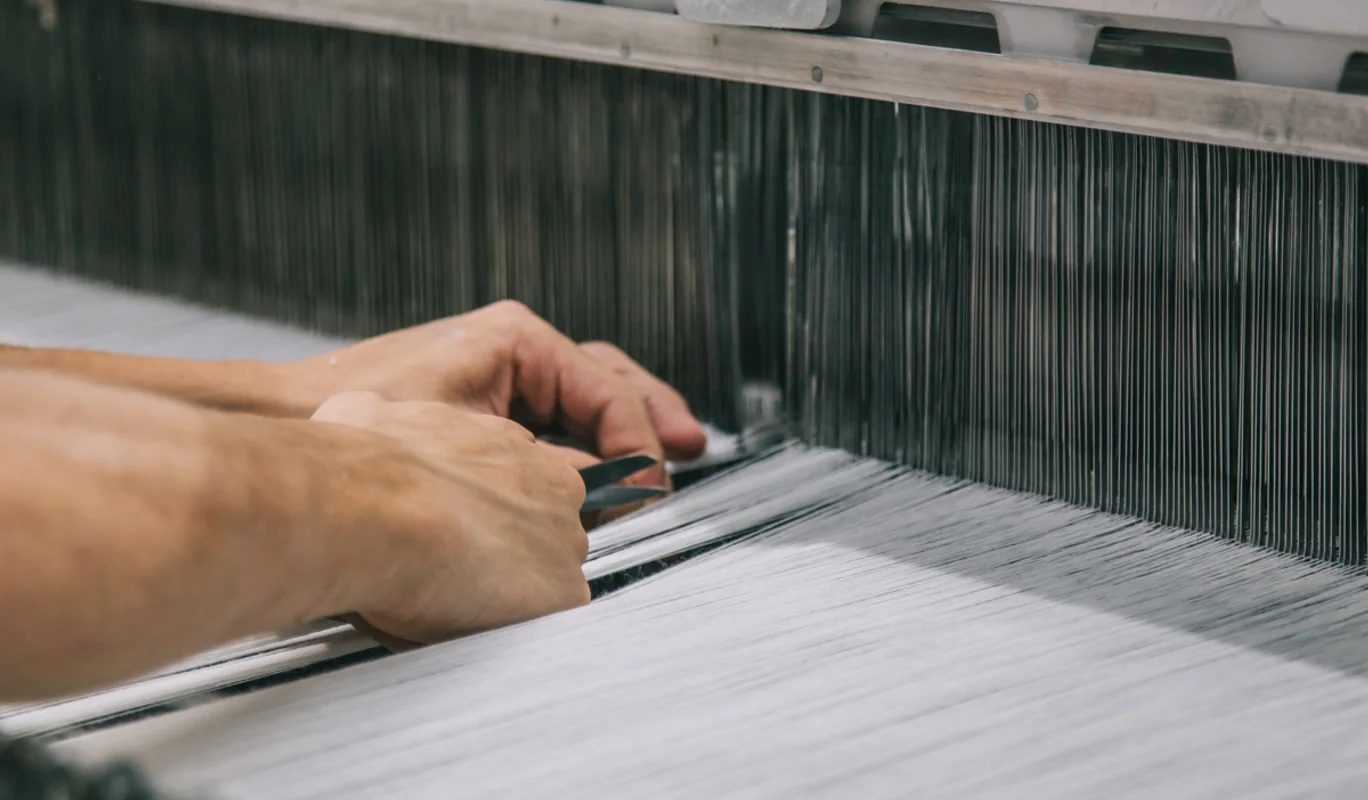
Radiant protective performance · RPP
Tests garment material or a composite at a radiant heat flux of approximately 21 kW/m².
RPP ≥ 7 cal/cm².

Historical requirements for wildland and urban-interface firefighting PPE
NFPA 1977:2022 addresses protective clothing and equipment for wildland and urban-interface firefighting. These provisions are now consolidated into NFPA 1950.
Tests garment material or a composite at a radiant heat flux of approximately 21 kW/m².
RPP ≥ 7 cal/cm².
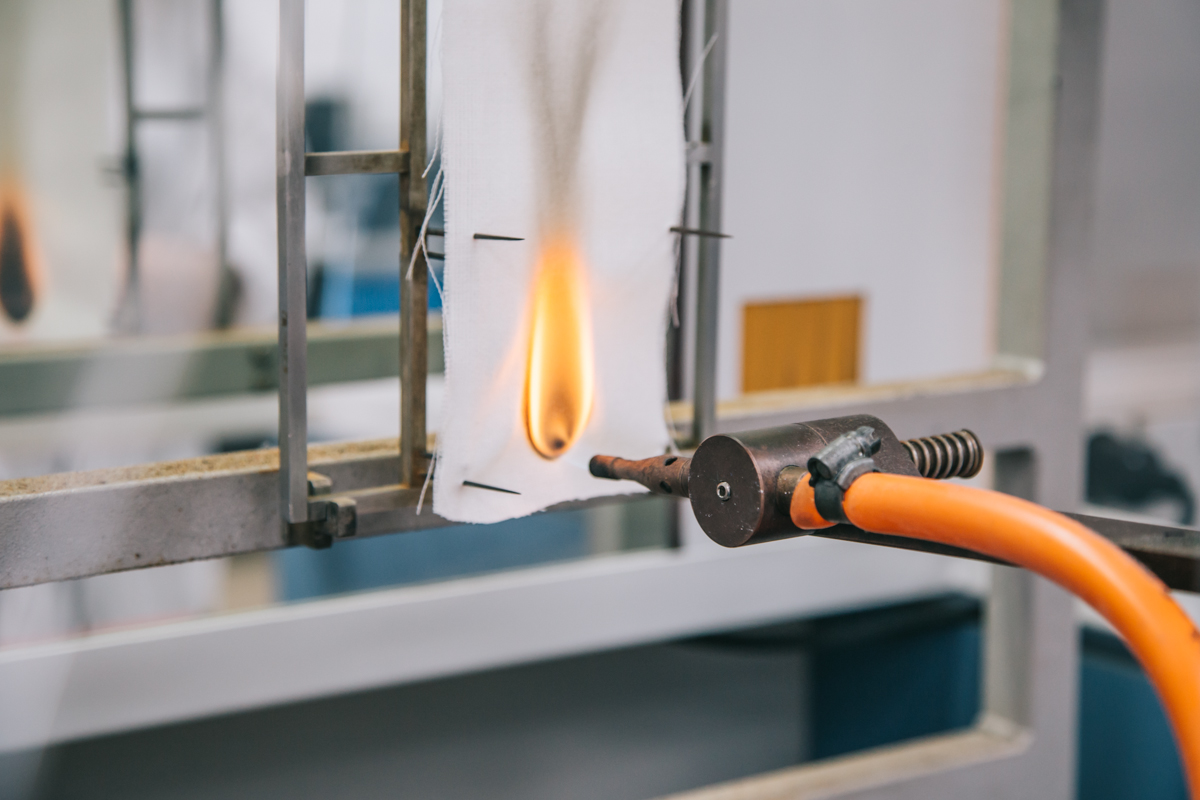
Measures vertical-flame response after the specified conditioning and laundering.
Garment fabrics: char length ≤ 100 mm; afterflame ≤ 2 s; no melting or dripping.
Tests individual garment layers for 5 min at 260°C.
Shrinkage ≤ 10% in either direction. Checks melting, dripping, separation, ignition and charring.
Measures garment-composite heat loss and cleaning shrinkage. The THL requirement excludes cold-weather outerwear and winter liners.
Wildland garment requirements in the 2022 edition:
| Property | Requirement |
|---|---|
| Total heat loss · garment composite | ≥ 500 W/m² |
| Cleaning shrinkage | ≤ 5% in either direction |
Measures tear and seam forces in N and covers garment design and labeling.
NFPA 1977:2022 covers wildland and urban-interface PPE; its consolidated successor is NFPA 1950.
Tell us about the workplace hazard, garment requirements and target certification. Our technical team will help you define the right solution.
