

Method A
Assesses charring, melting, shrinkage and other physical changes after radiant-heat exposure.
Heat flux in kW/m², exposure time in s and observed material changes.

Material response to radiant heat
ISO 6942 evaluates materials and assemblies exposed to radiant heat using visual and heat-transfer assessments.
Assesses charring, melting, shrinkage and other physical changes after radiant-heat exposure.
Heat flux in kW/m², exposure time in s and observed material changes.
Measures the time to 12 °C and 24 °C calorimeter rises. ISO 11612 uses 20 kW/m²; EN 469 uses 40 kW/m².
RHTI12, RHTI24 and their difference, in seconds.
| Quantity | Unit | Meaning |
|---|---|---|
| RHTI12 | s | Time to a 12 °C calorimeter rise |
| RHTI24 | s | Time to a 24 °C calorimeter rise |
| RHTI24 − RHTI12 | s | Interval between those two measured endpoints |

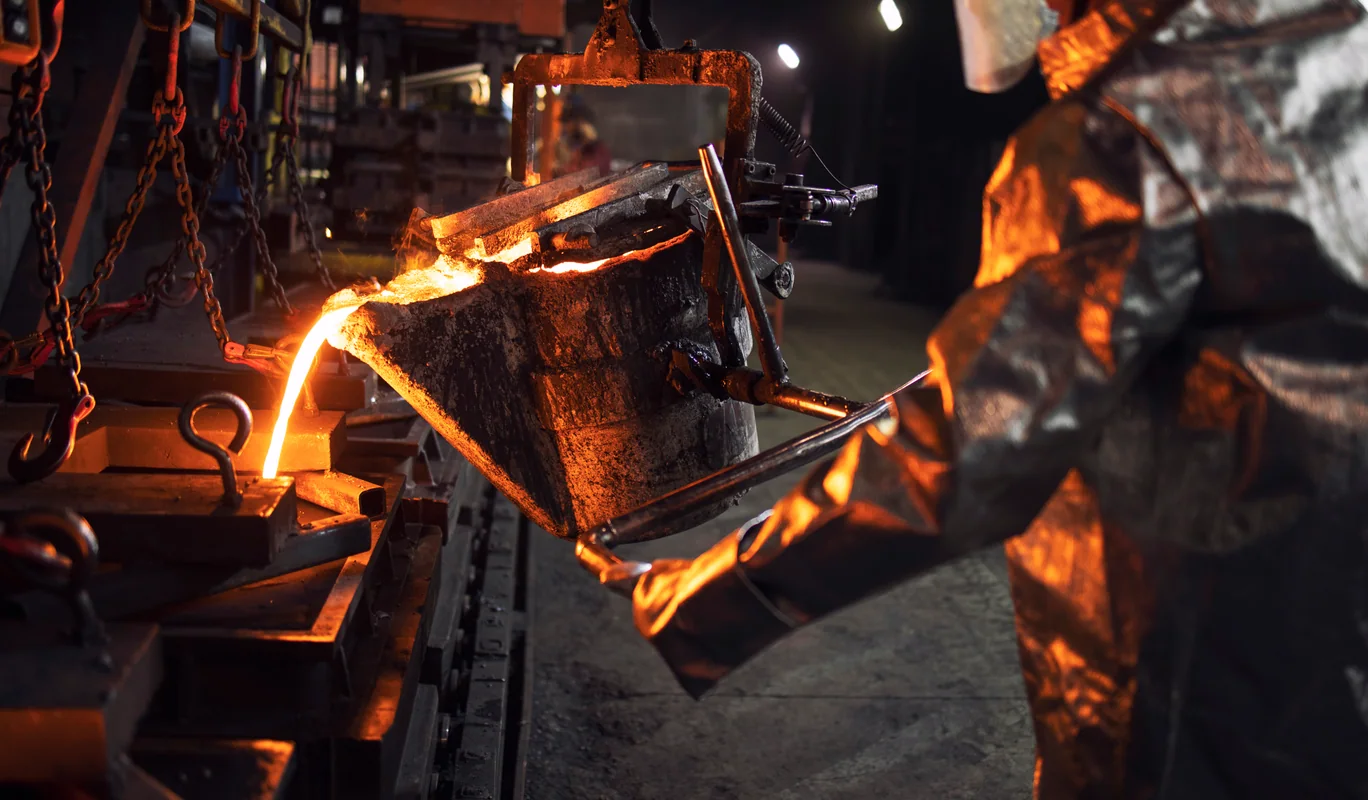
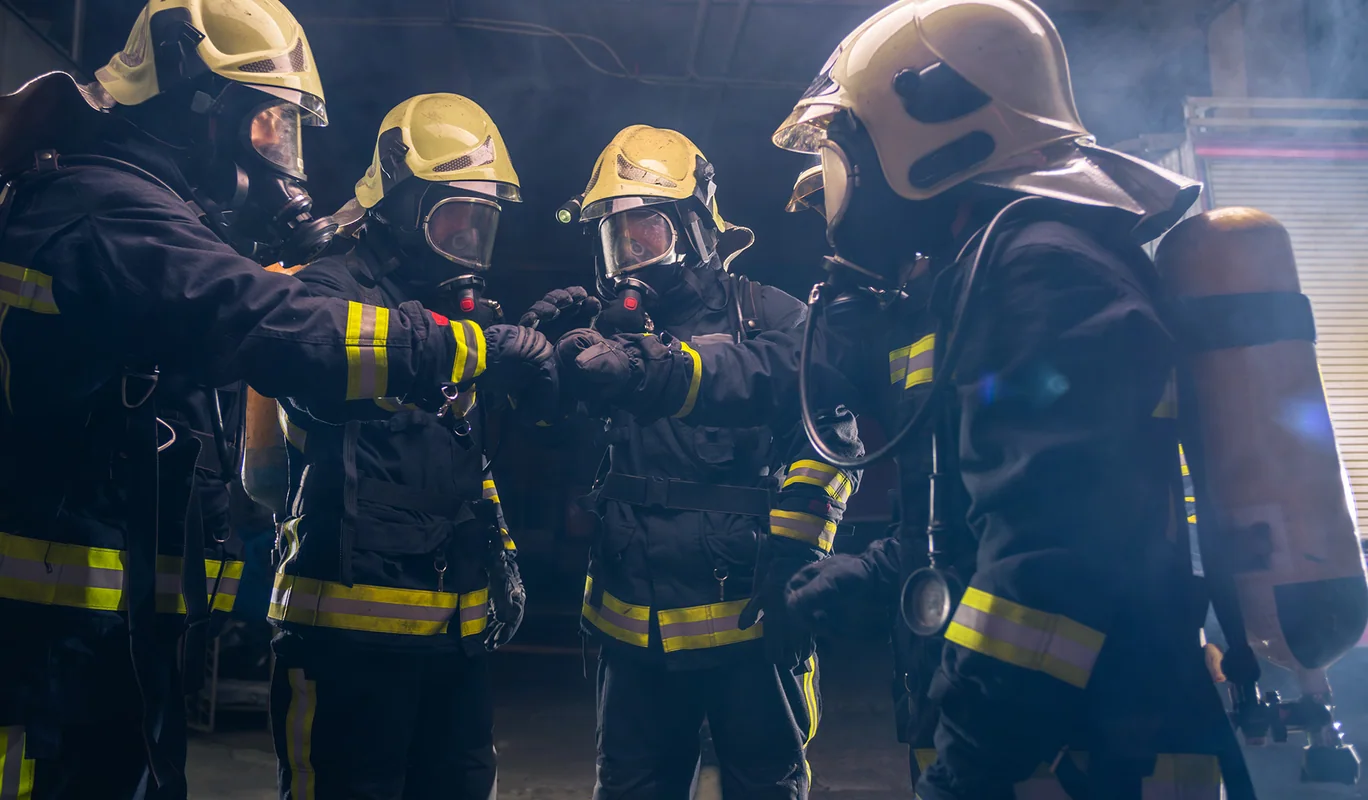
Radiant-heat testing of materials for work near furnaces and hot metal.
Explore industry →
Radiant-heat testing for materials used near hot process equipment or other assessed radiant sources.
Explore industry →
Materials for tasks near hot industrial equipment where radiant heat is a separate hazard.
Explore industry →
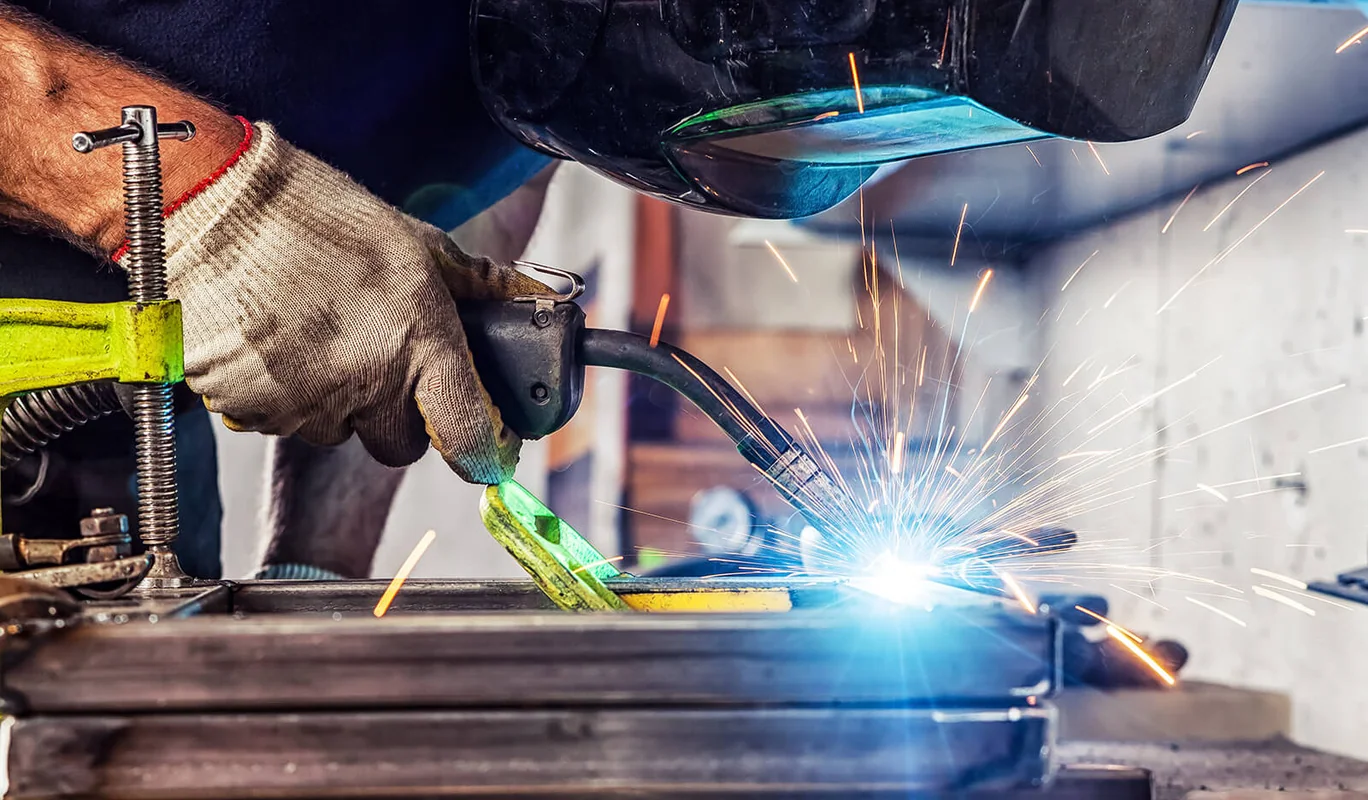
Radiant-heat testing used in evaluating welding-clothing materials.
Explore industry →Aluminized fabrics with different bases for radiant-heat protection.
View fabric →Flash fire + electric arcPermanent multi-norm protection balanced with all-day wearer comfort.
View fabric →Molten steel + ironA lighter, more breathable answer to severe steel and iron exposure.
View fabric →
Tell us about the workplace hazard, garment requirements and target certification. Our technical team will help you define the right solution.