Controlled fire exposure
Tests a garment or clothing system on a stationary instrumented manikin at a nominal 84 kW/m², approximately 2 cal/(cm²·s).
Selected exposure duration up to 20 s, with garment size, layers, conditioning and fit recorded.
Instrumented-manikin evaluation for simulated fire exposure
ASTM F1930-23 is a laboratory test method for evaluating flame-resistant garments and clothing ensembles in a controlled fire simulation using an instrumented manikin.
Tests a garment or clothing system on a stationary instrumented manikin at a nominal 84 kW/m², approximately 2 cal/(cm²·s).
Selected exposure duration up to 20 s, with garment size, layers, conditioning and fit recorded.
Uses heat sensors and a skin-response model to estimate second- and third-degree burns.
Predicted injury as a percentage of instrumented body area, excluding hands and feet:
| Measurement | Unit |
|---|---|
| Exposure heat flux | kW/m² |
| Flame exposure duration | s |
| Predicted second-degree injury | % of instrumented area |
| Predicted third-degree injury | % of instrumented area |
| Total predicted burn injury | % of instrumented area |
Records shrinkage, openings, ignition and damage alongside the sensor results.
The referencing product specification sets the acceptable burn percentage.

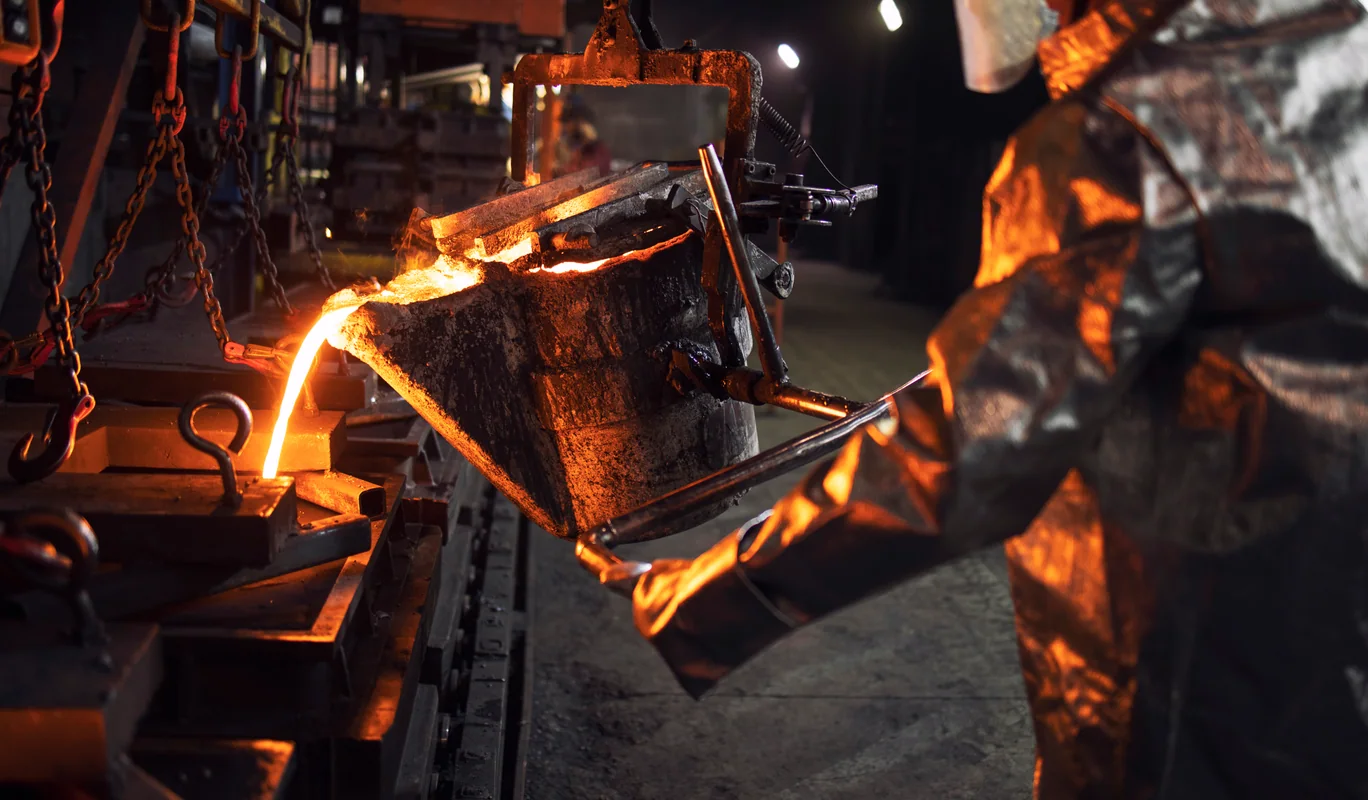
Instrumented-manikin evaluation where an assessed industrial fire exposure warrants garment-system testing.
Explore industry →
Instrumented-manikin testing of garment systems under controlled fire exposure, with results tied to the tested configuration and conditions.
Explore industry →
Garment-system fire testing only where a separate fire hazard is relevant.
Explore industry →
Garment-system testing for a separately assessed fire exposure at industrial hot-work sites.
Explore industry →Permanent multi-norm protection balanced with all-day wearer comfort.
View fabric →Arc flash + wind + rainPFAS-free tri-laminate protection for changing outdoor conditions.
View fabric →Structural + wildland firePermanent flame resistance, durability and mobility for fire crews.
View fabric →
Tell us about the workplace hazard, garment requirements and target certification. Our technical team will help you define the right solution.